
 Deutsch
 Français
 日本語
日本語 Español
 Italiano
 Русский
 繁體中文
繁體中文 한국어
한국어
Aluminum is one of the most widely used materials across industries. Its lightweight nature and excellent corrosion resistance make it a standout choice. However, the paint coating on aluminum tends to weaken over time. That’s where powder coating comes in. Powder coating aluminum offers better performance than traditional painting.
The reason is that aluminum makes an oxide layer when it reacts with oxygen. This oxide layer can make traditional paint coats adhere to aluminum very weakly. Many people aren’t familiar with the basics of powder coating. In this article, I will explain everything about powder coating of this metal. So, let’s get started!
Overview of Powder Coating Aluminum

Before we discuss more, let’s cover the basics of powder coating aluminum.
Powder coating is a unique coating method that does not use traditional liquid paint. Instead, it uses dry powder spraying onto the aluminum surface. This powder is a mixture of additives, pigments, and resins. After spraying, the powder is then heated and melts, forming a tough finish. This powder-based coating is both durable and visually appealing.
What makes powder coating stand out is its eco-friendliness. Traditional paint coatings are harmful because they release volatile organic compounds into the environment. Additionally, it tends to degrade quickly on aluminum due to the formation of an oxide layer. However, powder coating offers reduced solvent emissions and is very durable and long-lasting.
The development of this advanced coating stemmed from the main drawback of the old coating: its lack of eco-friendliness. This powder-based coating was first developed in the mid-20th century and has been growing in popularity ever since. Notably, it delivers an excellent surface finish and texture. It can also come in a wide range of colors, which makes it really stand out.
Interestingly, the powder coating can take on different colors depending on the pigment you choose. This gives aluminum a custom visually appealing look. The pigment is mixed into the powder before it’s sprayed onto the aluminum. Additives are also an integral part of the powder coating. Their primary role is to preserve the color’s sharpness and prevent fading when exposed to UV rays.
Advantages of Powder Coating Aluminum
In the section below, I will explain the key benefits of powder coating. Understanding them will help you decide whether this modern coating is worth choosing.
1- Corrosion Resistance
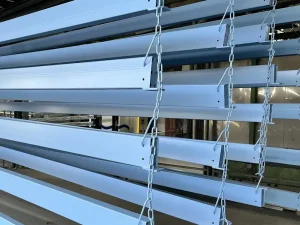
The powder coating protects the aluminum from corrosion. How? That’s because it forms an additional layer on the aluminum surface. So, moisture or any other environmental contaminants cannot reach the aluminum and affect it. Traditional paint is not long-lasting and can deteriorate due to the formation of an oxide layer on its surface. This powder coating is durable and firmly bonds with the aluminum. That’s because powder is heated to make a coating on aluminum. As a result, it sticks with aluminum for a long time. This makes powder coating an ideal option for aluminum.
2- Resistant to Scratches & Fading
Traditional paint coatings aren’t very scratch-resistant. Regular paint on aluminum tends to degrade quickly. When something hits it, the paint scratches off easily. Powder coating, on the other hand, is exceptionally durable. The powder is heated to bond it to the aluminum. That heating process makes the powder stick firmly to the aluminum, so it doesn’t scratch off. Additionally, powder-based coatings are highly resistant to fading, so the color stays sharp for much longer.
3- Color Variety
Powder coating offers a range of colors that don’t fade over time. Traditional paints start to fade, especially if aluminum is used in outdoor settings. The powder contains a mixture of pigments. When sprayed on aluminum and heated, these pigments blend perfectly with powder. They make a strong bond with aluminum and remain in good shape for years. You can get different color effects with powder coatings, including matte, gloss, metallic, and more.
4- Resistant to UV Rays and Moisture
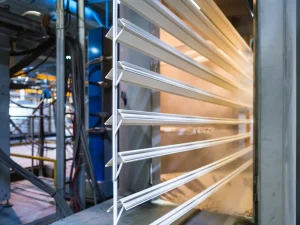
Powder coating makes aluminum resistant to both UV rays and moisture. Generally, aluminum starts to degrade when exposed to sunlight for longer durations. The powder coating adds a strong, dense layer on the surface of aluminum. This protective layer shields the aluminum from UV rays and moisture. In this way, aluminum doesn’t get UV rays and remains safe. Powder coating is durable and resists UV light degradation for extended periods.
5- Regular Maintenance & Cost-Effective
As I mentioned earlier, powder coating is extremely tough and durable. It bonds strongly to aluminum and remains bonded for years. Plus, it really resists deterioration, even when exposed to UV rays, moisture, or scratches. That’s why powder coating doesn’t need regular maintenance.
Traditional paint coatings, on the other hand, do require regular touch-ups and repairs. Yes, powder coating costs a bit more upfront than regular painting. But the superior durability and longevity make it far more cost-effective in the long run. It’s more expensive upfront, but the long-term savings make it worthwhile. Conventional paint is cheaper initially, yet it begins to break down much more quickly.
How the Aluminum Powder Coating Process Works?
The powder coating is not applied as traditional paint. This advanced coating is a bit more difficult and requires utmost care. In the section below, I will discuss the aluminum powder coating process in four easy-to-follow steps.
1- Cleaning and Surface Preparation
First, you’ll need to clean the aluminum surface. Generally, aluminum develops an aluminum oxide coating when exposed to moisture. For powder coating, you must remove this oxide layer. Additionally, if you notice any grease or oil, remove it. Powder coating on uncleaned surfaces won’t be robust and durable. Why? That’s because the contaminants present will affect the bonding between the powder and the aluminum surface.
2- Spray Powder on the Aluminum Surface
Once cleaned, I recommend letting the aluminum part dry for an hour. Then it’s time to spray the powder onto the aluminum surface. For this, use a spray gun that evenly applies the powder. Plus, the gun uses electrostatic spray, which means the powder particles coming out carry an electrical charge.
The aluminum part to be coated is grounded, so it is positively charged. The spray particles are negatively charged as they leave the nozzle. As a result, the positively charged aluminum surface attracts the negatively charged powder particles. That way, the particles settle uniformly onto the aluminum surface. You won’t see any dripping because of the strong attraction between the particles and the surface.
3- Curing: Heat the Powder Present on the Aluminum Surface
Once the powder has been sprayed on, the next step is to heat the powder that’s now on the aluminum part. For this, manufacturers typically use a curing oven with adjustable temperature settings. So, you place the aluminum part in the oven and set the temperature to 160–220°C. At this temperature, the powder particles begin to melt.
As they melt, they flow and fill the gaps between them. In this way, they form a dense coating on the aluminum part’s surface. Keep in mind that different types of powders are available on the market. Some require higher temperatures to melt than others. So, you set the temperature according to the melting point of the particular powder you’re using.
Step 4: Cooling of Softened Powder for Coating
After curing, the applied powder melts and flows. It requires cooling so that the softened powder solidifies and becomes strong. Remember, this cooling process happens at room temperature and does not require heavy-duty fans.
During cooling, the soft powder hardens and forms a continuous layer on the aluminum. The powder coating is both scratch-resistant and crack-resistant, even under load. You can make different colors by adding different color pigments to the powder material. This mixed powder is then sprayed, heated, and cooled to produce a different-colored coating.
Common Types of Powder Coating
As mentioned above, different types of powder coating can be applied to aluminum. These coatings differ primarily in the powder materials used. Additionally, each of these powders requires different heating temperatures during the curing process. Here is the list of some common types of powder coating:
- Epoxy powder coating
- Epoxy-polyester hybrids
- Polyester powder coating
- Urethane powder coating
- Fluoropolymers powder coating
Fluoropolymer powder coating is known for its excellent chemical inertness. When applied to aluminum, this coat remains strong for years due to its inertness. On the other hand, urethane powder coating offers excellent visual appeal when applied to aluminum. Similarly, each type of powder coating mentioned above has its unique value proposition.
How Long Does Powder Coating Last on Aluminum?
As previously mentioned, the powder coating is a superior option due to its excellent lifespan. However, how long it lasts on aluminum depends on how you apply it.
Typically, powder coating can last over 20 years on aluminum parts when applied correctly. This means the aluminum surface must be cleaned before applying the coating. However, if the aluminum part is used in harsh outdoor conditions, its lifespan can range from 10 to 15 years.
Undoubtedly, powder coating is highly durable and resistant to UV rays and moisture. Even powder coating can fade over time with prolonged UV exposure. Therefore, if aluminum parts remain exposed to UV rays or moisture, their lifespan can be reduced. If this material is used in an indoor setting, you can easily expect its lifespan to exceed 20 years. Why? That’s because this coating is extremely tough and scratch-resistant, which is a key requirement for indoor use.
Conclusion
Let’s wrap this up: powder coating on aluminum is a really practical choice. That’s because it does a great job protecting against corrosion. On top of that, the finish is incredibly tough, so it holds up well and gives excellent long-term durability. Aluminum stays protected for years without much hassle.
That’s why, overall, powder coating beats out traditional liquid paints as the smarter option. Sure, many people shy away from this advanced method because of the higher upfront cost. I’m not really convinced by that argument, though — powder coating actually ends up being more cost-effective in the long run. In this article, I’ve gone over the basics of powder coating aluminum and how you can get it done.