
 Deutsch
 Français
 日本語
 Español
 Italiano
 Русский
 繁體中文
 한국어

AIXI offers high-quality custom welding services across a wide range of materials, manufacturing processes, and surface finishes.

Sheet Metal Fabrication & Welding Services
Welding is a sophisticated manufacturing process. Unlike CNC machining or sheet metal fabrication, welding is a macro-level discipline with broad-ranging applications. It serves to securely connect all machine components, earning it the title of the “bridge of the entire industrial sector.”
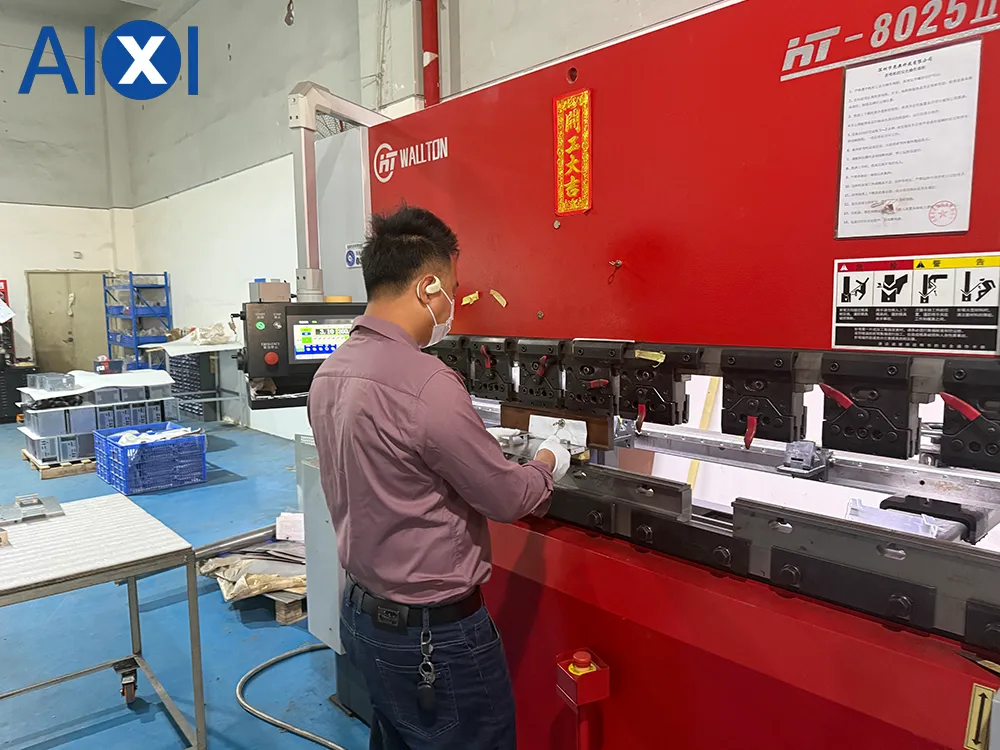
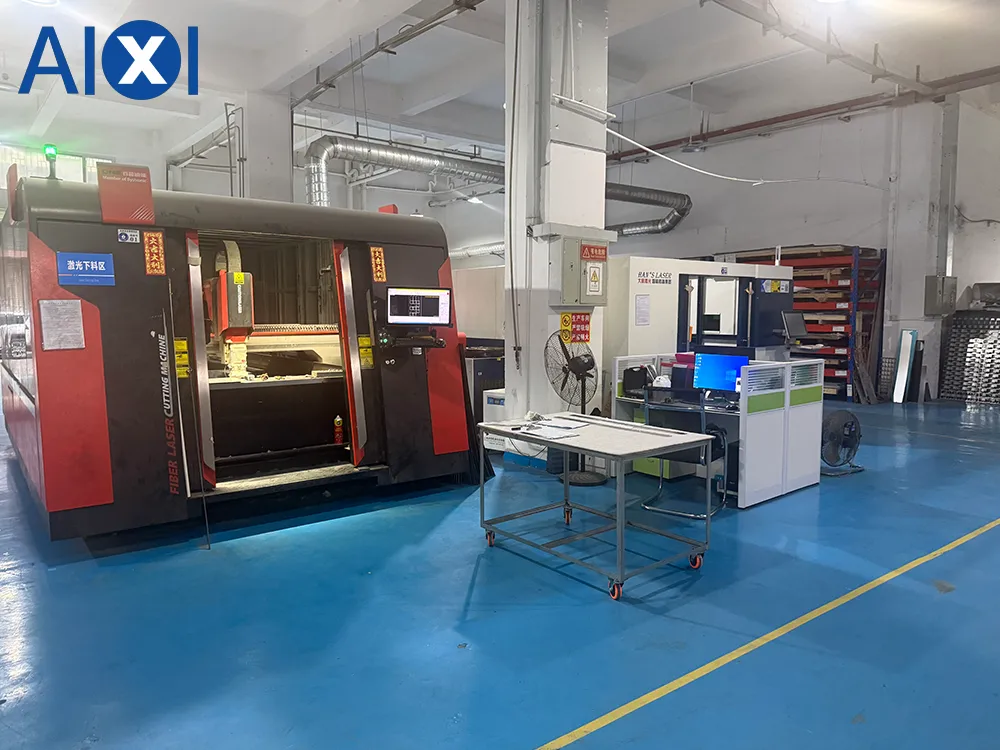
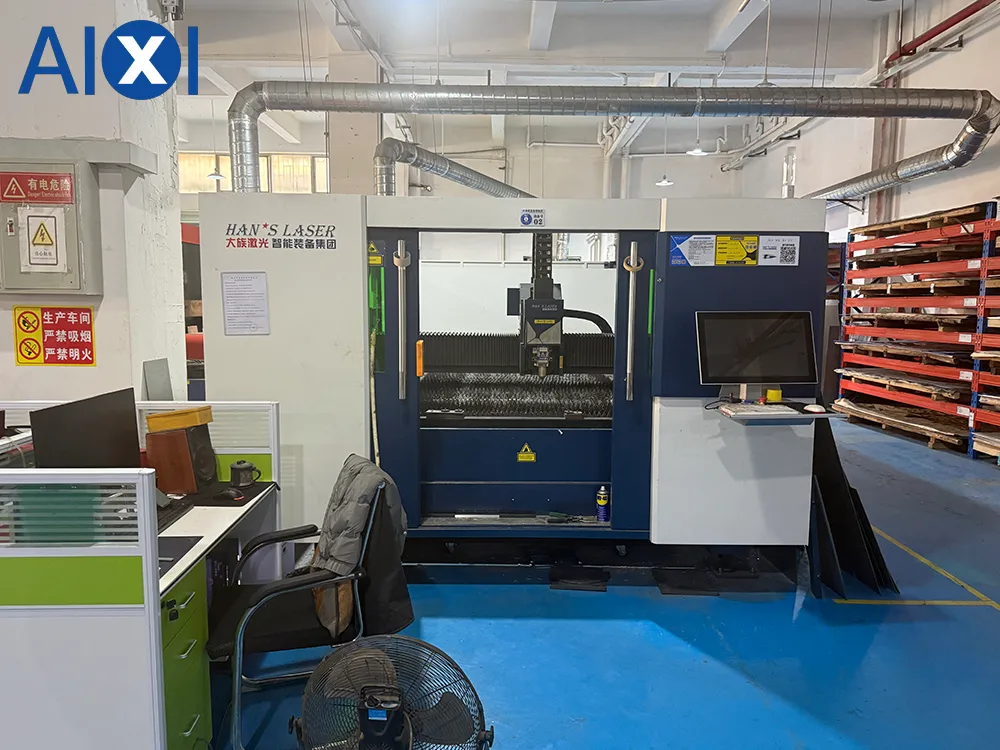
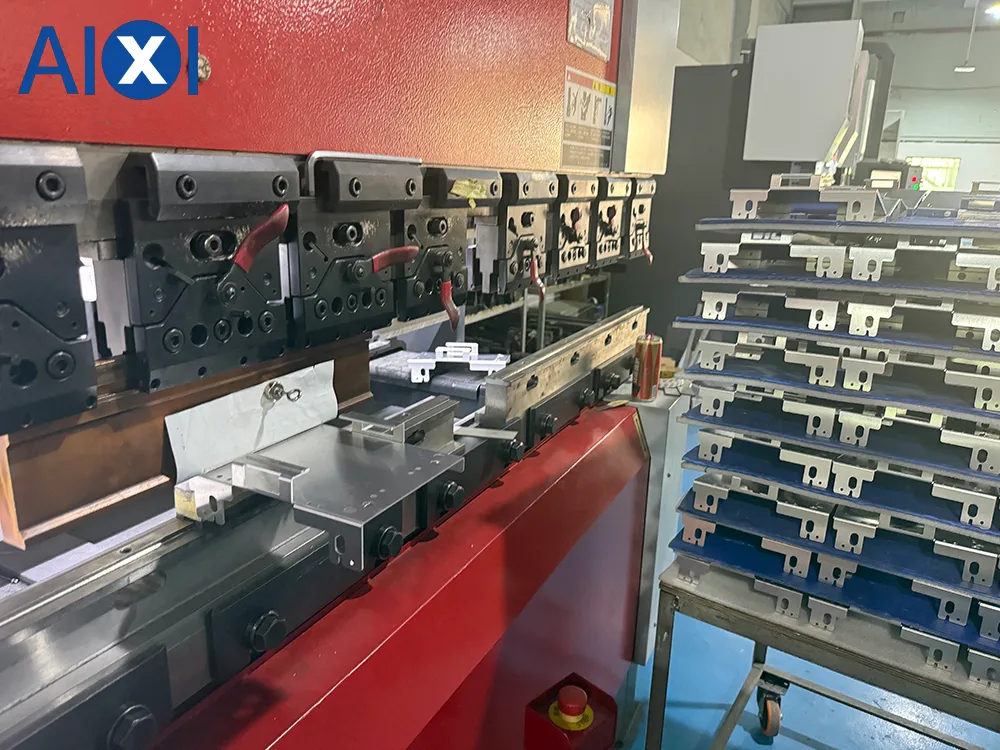
AIXI provides high-precision metal parts machining, laser cutting, bending, and related services to a wide array of industries, including automotive, railway, and motorcycle manufacturing. Concurrently, we offer our clients comprehensive, one-stop welding solutions. We have an excellent welding engineering team and a robust, well-established welding system; we also possess the capability and extensive experience to seamlessly weld machined and bent components into fully integrated assemblies.
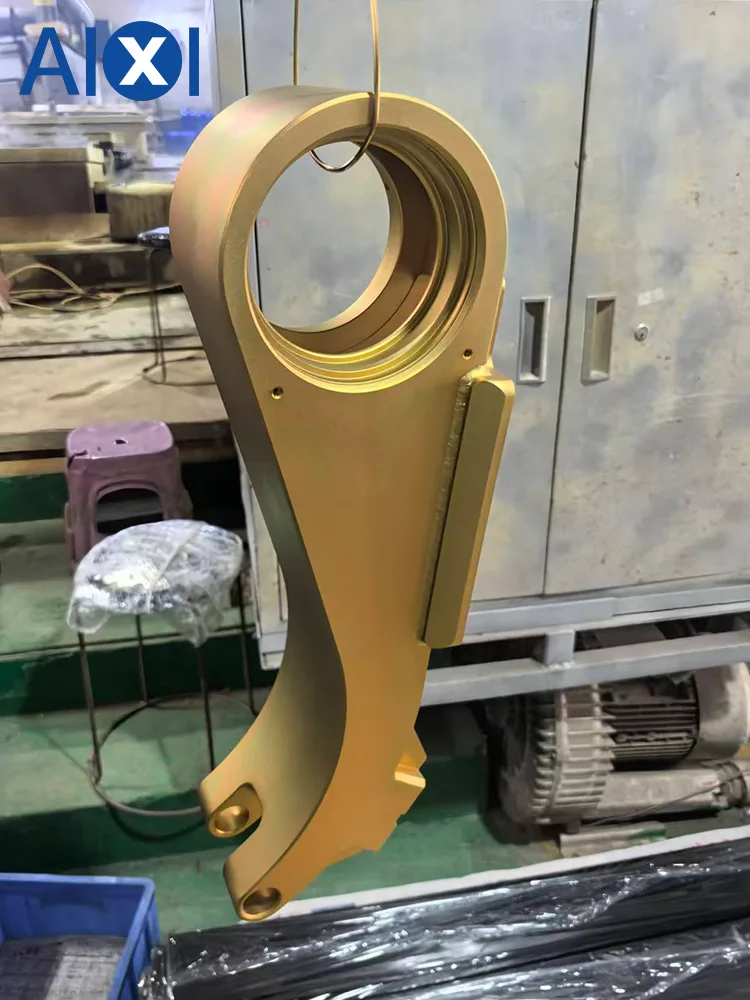
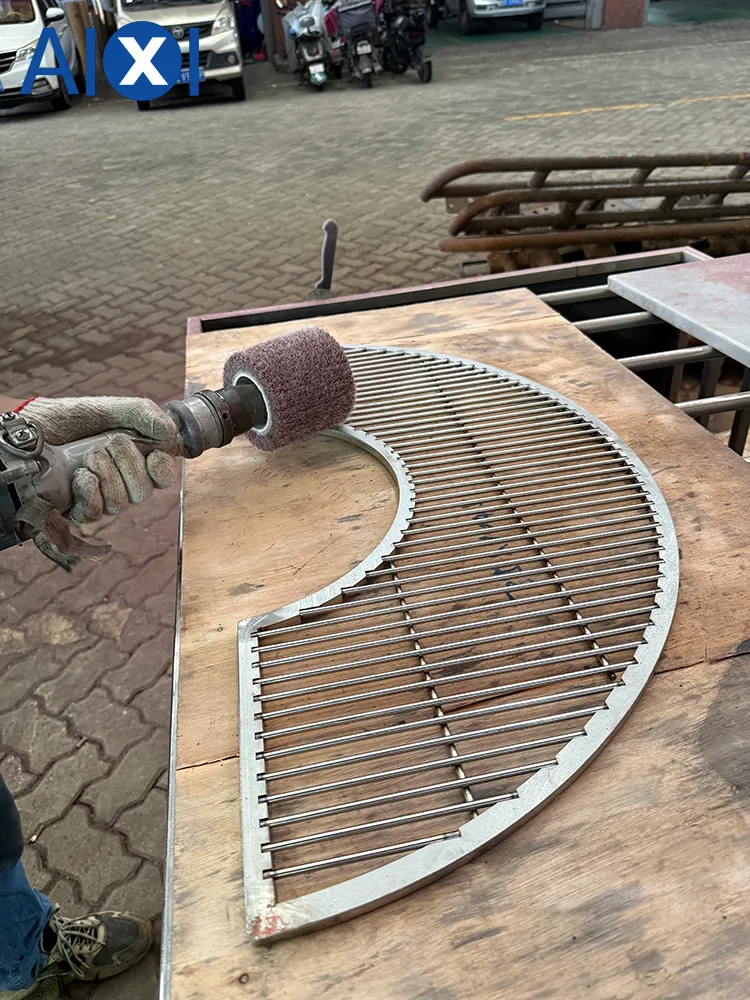
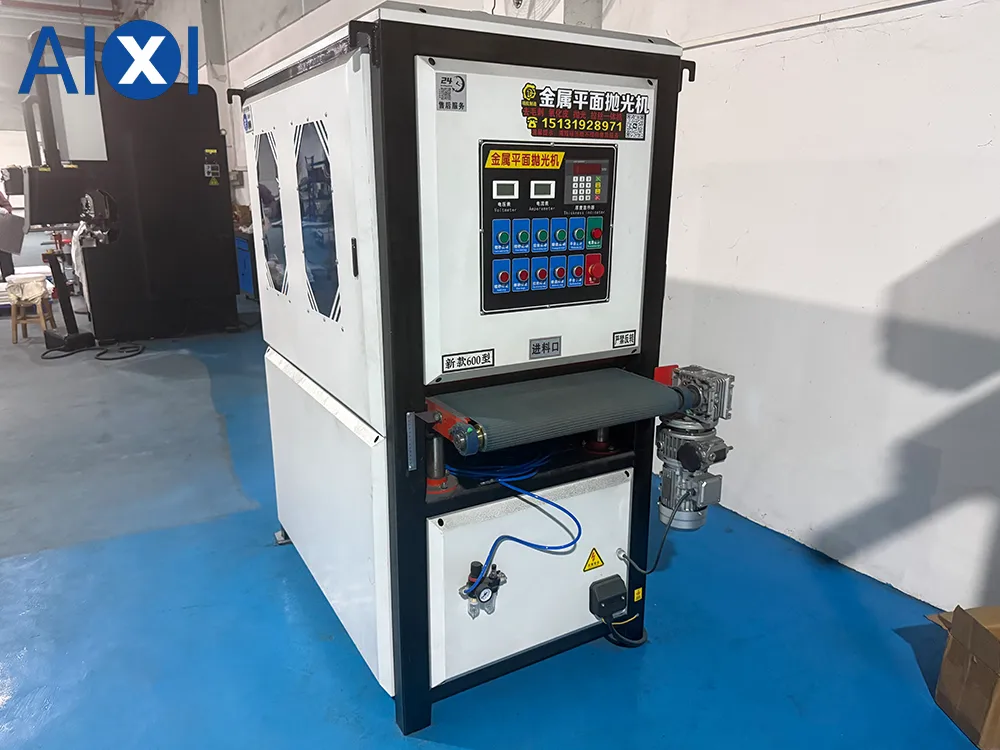
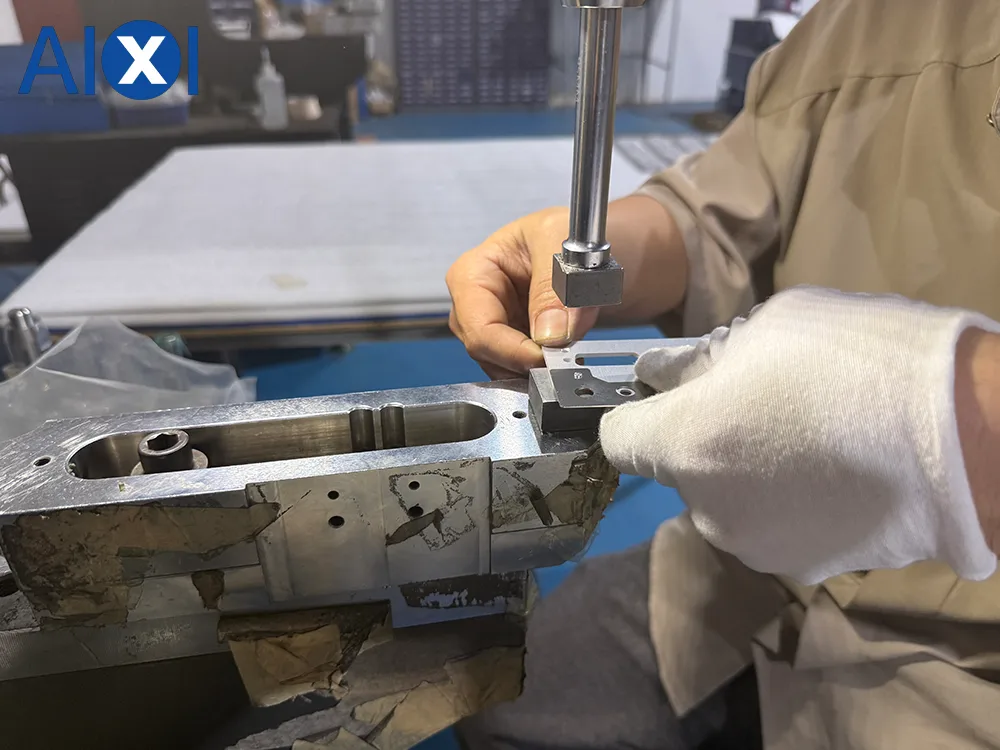
Complete product welding also includes other metal surface treatments. For instance, after welding metal parts, we often perform grinding to refine the surface finish. Prior to welding, we fabricate specialized fixtures to secure the components, ensuring stable welding and maintaining the product’s overall dimensional tolerances. Should the parts require enhanced corrosion resistance, we also offer treatments such as electroplating, electrophoresis, wet painting, and powder coating. AIXI possesses deep practical expertise across the entire metal welding process workflow. Choose AIXI for your metal welding needs, and let us transform your designed welded components into a tangible reality.

Types of Welding Services We Provide
AIXI offers the leading welding technologies and services currently available on the market, with capabilities covering over 90% of all metal products. Each welding process is designed for different materials and different part thicknesses. Therefore, choosing the right welding method for a product is extremely important. The following are the primary welding processes offered by AIXI:
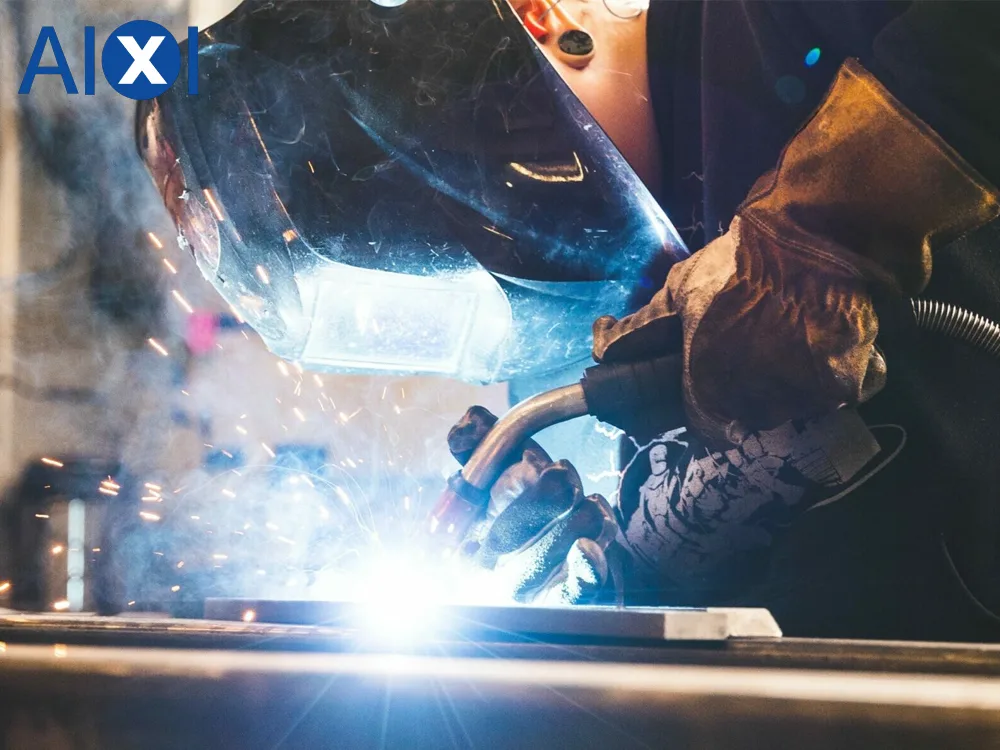
MAG Welding (Metal Active Gas Welding)
In China, we refer to this welding process as “Metal Active Gas Shielded Welding.” This means that during welding, we often use an active gas, such as CO2, or a mixture of gases, Ar+CO2, to protect the metal from oxidation. However, when communicating this method to factory workers, we commonly call it “CO2-shielded welding.” This type of welding is commonly used for carbon and alloy steel and is suitable for welding medium- and thick-section plates. MAG welding is fast and more efficient, making it suitable for welding batches of parts. It is commonly used in automobile repair, steel structures, machinery manufacturing, and large equipment.
Get A Quote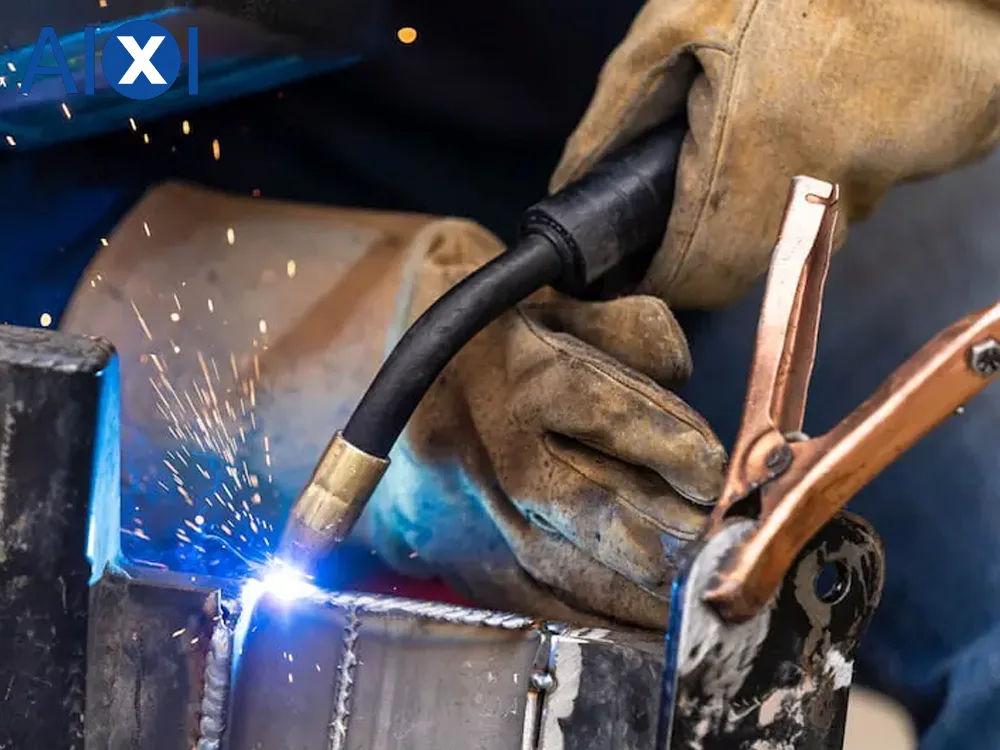
MIG Welding (Metal Inert Gas Welding)
Unlike MAG welding, MIG welding is a type of Metal Inert Gas welding. It is often used (such as argon, helium, or a gas mixture) to protect metals from oxidation. MIG welding is commonly used for welding non-ferrous metals such as aluminum, brass, and stainless steel. It shares most of the same characteristics as AG welding, and both are performed using a wire feeder.
Get A Quote
TIG Welding (Tungsten Inert Gas Welding)
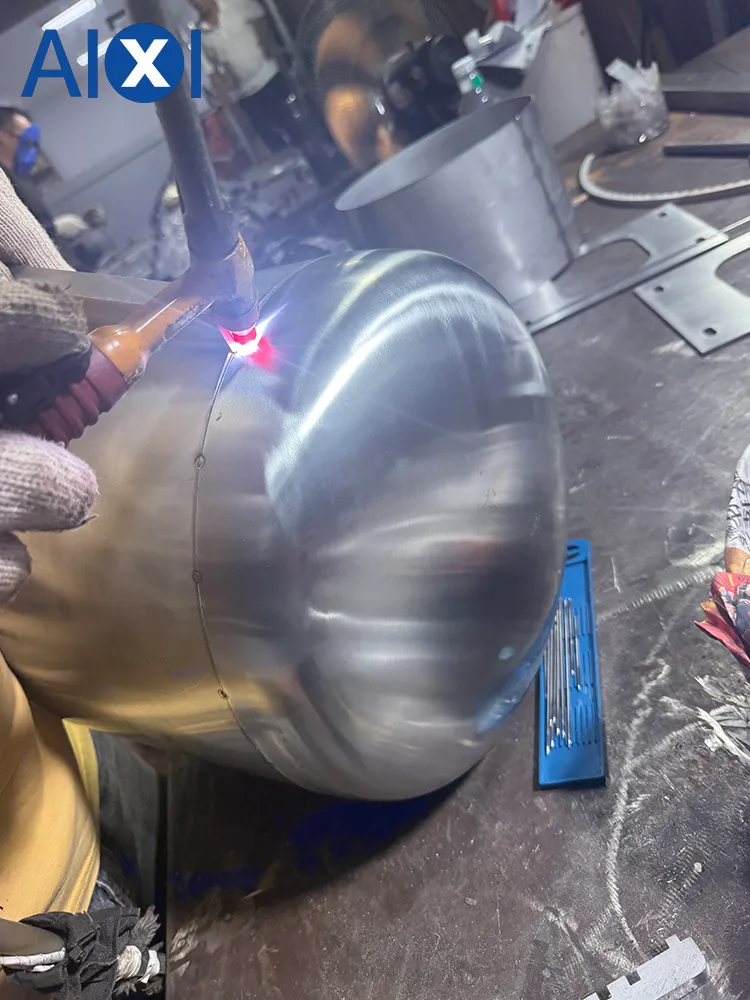
TIG welding is also called tungsten inert gas shielded welding. It uses tungsten(a high-melting-point metal) as an electrode and argon as a protective gas for welding. Unlike the automatic wire feeding of MAG/MIG, TIG requires higher skill from the welder. It requires coordination of both hands: one hand holding the welding torch, the other feeding the wire. The TIG arc heat is more concentrated, thus allowing for precise control of the weld size. It is ideal for welding thin metal sheets or products with high requirements for weld appearance. TIG welding is often used for precision molds, artistic metalwork, and aerospace components. However, this type of welding requires manual wire feeding, so it is not suitable for mass production and is only used for high-precision prototype parts or small-batch manufacturing.
Get A Quote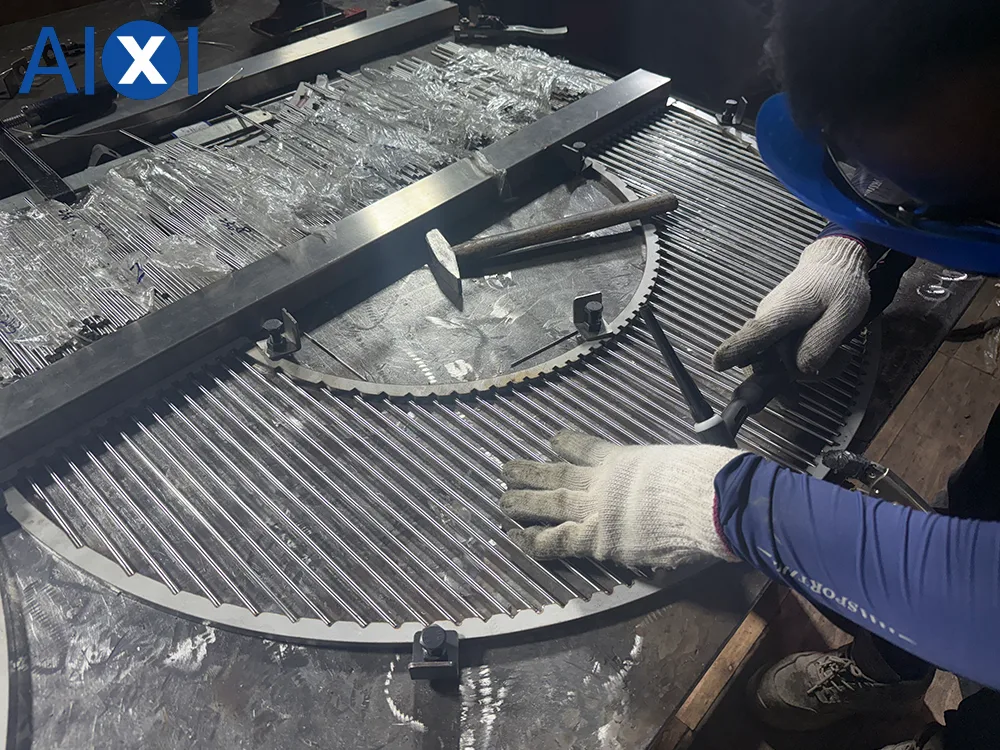
Resistance Welding (Spot Welding)
This is a welding technique that uses resistance to generate heat, causing localized melting of metal, while simultaneously applying pressure to firmly join two parts together. This is a completely different welding method from MIG/TIG. It does not require any filler material, such as welding wire or rod, nor does it require gas protection, such as carbon dioxide or argon. Resistance welding can be completed simply by controlling the current and pressure. It can weld 100-500 points per minute, with a weld speed of up to one meter per minute, making it extremely efficient. This welding method requires no welding wire or other materials, is extremely cost-effective, and produces little to no smoke or dust, making it environmentally friendly. It has significant advantages in welding thin plates such as low-carbon steel and aluminum alloys.
Get A QuoteAdvantages and Disadvantages of Metal Welding Fabrication
Welding, performed by experienced welding engineers, connects various individual components into a complete whole. Whether the product is as small as 1 millimeter or as large as 1000 meters, it has strong practicality.
At the beginning of product design, we always consider whether to use welding or whether it is possible to achieve one-piece molding. After accumulating extensive experience in welding projects, we found that welding costs are generally lower. Because we only need to disassemble the whole into individual parts for processing, the processing cost is relatively lower. Then, we connect all the parts together by welding, which reduces a lot of costs.
In addition, welding has many advantages: welded parts have good sealing properties, giving designers greater flexibility in product design. Welding processes are highly efficient and adaptable (they can be performed on-site, requiring only that the parts be transported to the site for welding, which can significantly reduce transportation costs).
Of course, welding also has some unavoidable drawbacks, such as producing fumes, glaring arc light, and high cost of welding equipment.
Materials for Sheet Metal Welding Services
Normally, most metal materials can be welded, but the difficulty of welding different metals varies.
For example, steel is relatively easy to weld when the carbon content is below 0.25%; however, when the carbon content is above 0.6%, cracks are more likely to occur, requiring experienced personnel to select appropriate welding processes for control.
In our factory, common steel welding materials include: Q235B, Q345D, Q355B, Q690E, as well as stainless steel 201, 303, 304, 316L, etc.; aluminum materials include 5052, 5754, 6060, 6061, 6063, 7075, etc.; in addition, we also use common materials such as brass and tin bronze.
Our Metal Welding Capabilities and Specifications
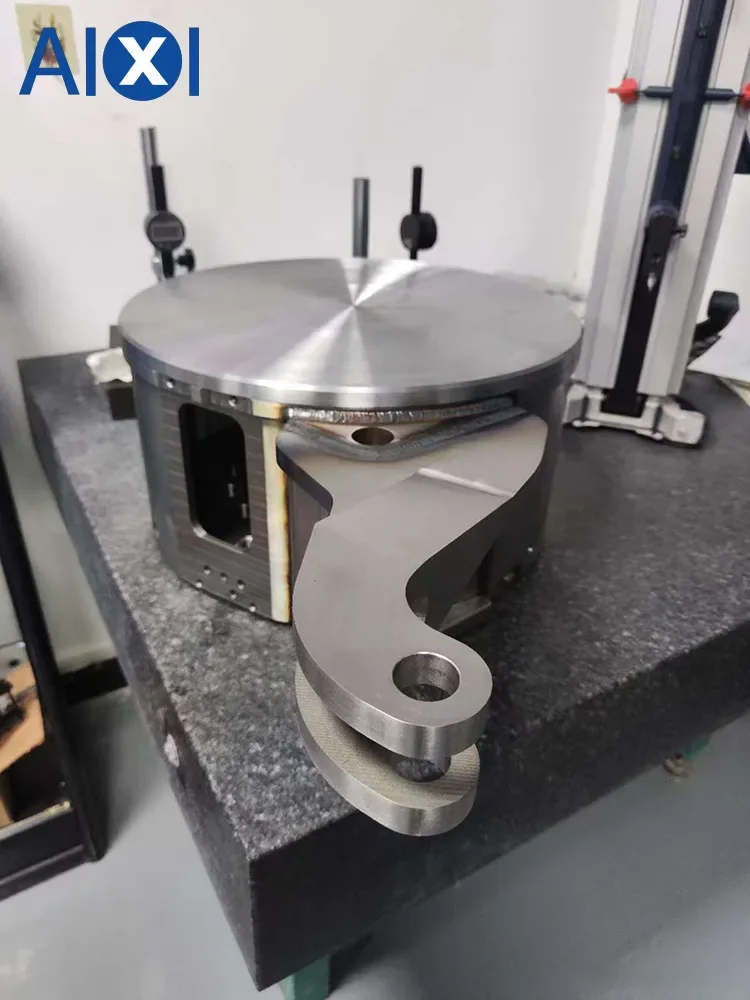
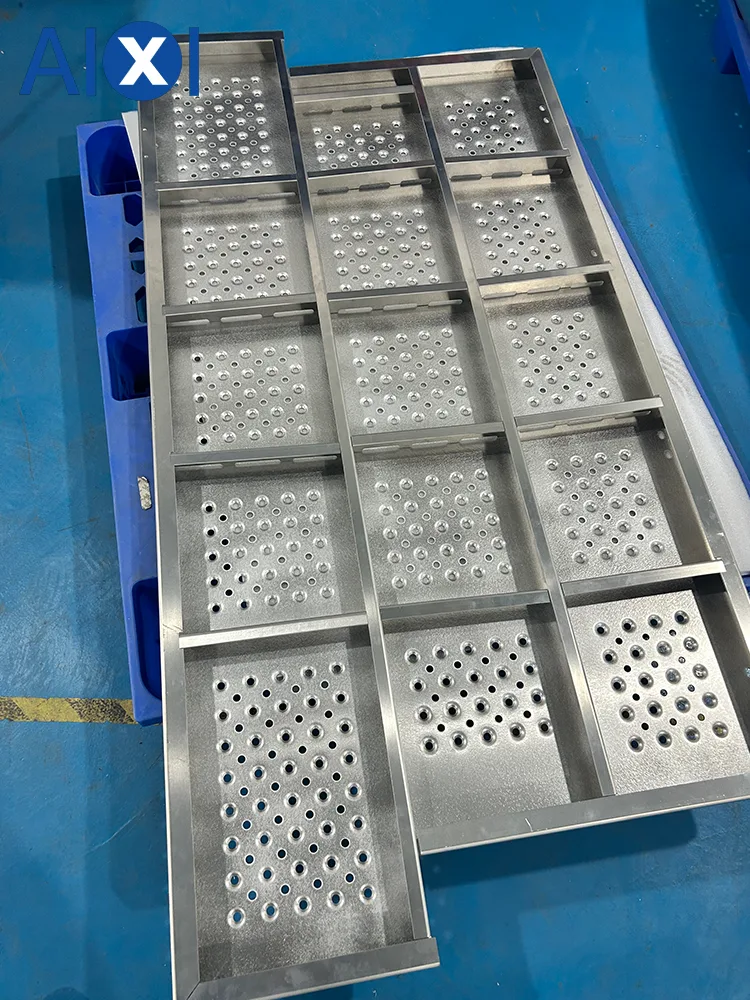
AIXI has extensive experience in welding thin and thick plates, as well as racks. For material thickness, we can weld metal plates ranging from 1 mm to 50 mm.
In previous projects, we have successfully fabricated welded frames up to 10 meters long—products typically used in the construction industry.
Most of the welded products are sheet metal parts cut by laser, with lengths generally between 300 mm and 2000 mm. AIXI also provides one-stop product services, including polishing, powder coating, oil spraying, electroplating, and electrophoresis.
If you have welding needs for products of a similar size or other lengths, please contact our team directly.

How We Ensure the Quality of Our Welding Services
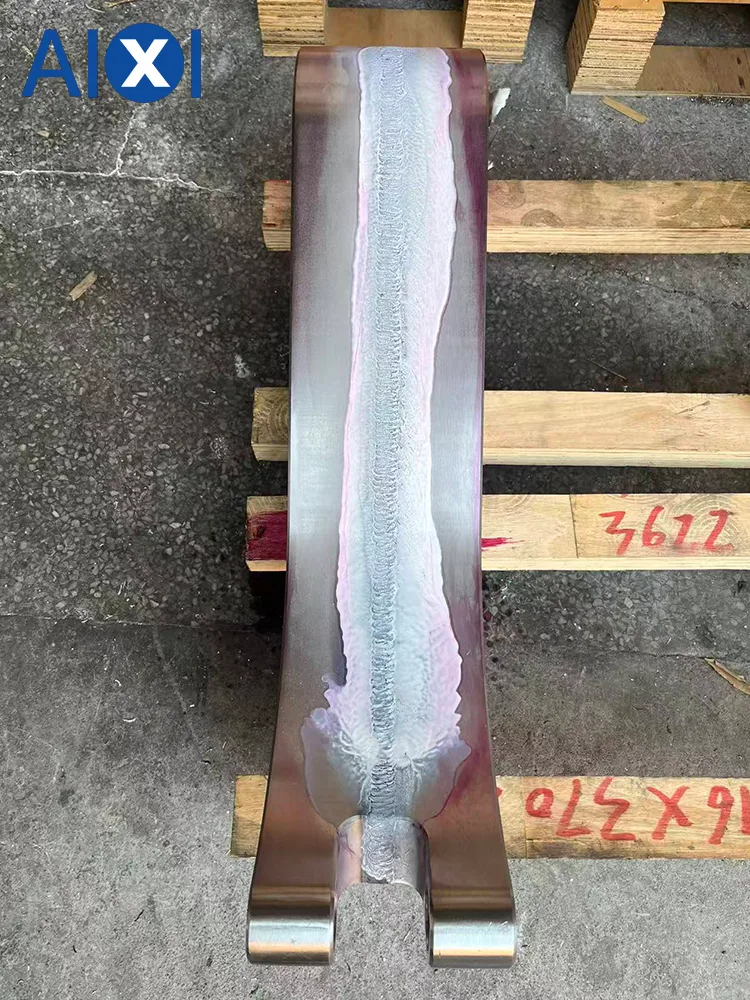
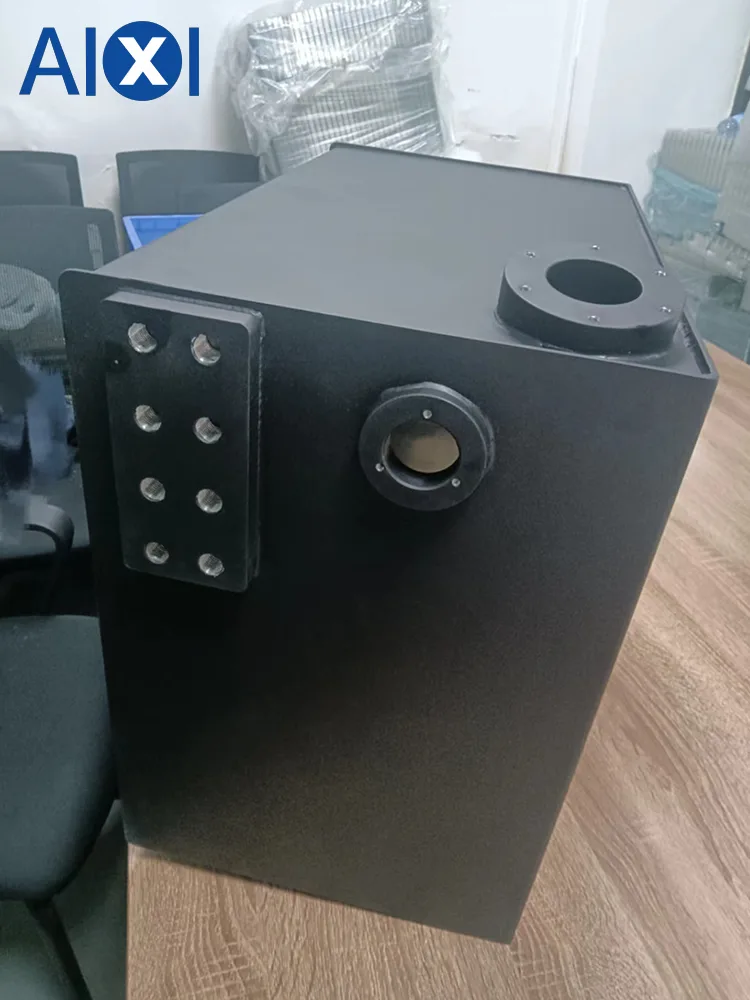
For welded products, AIXI performs penetrant testing of the welded joints and pressure testing of the enclosures. This test can be used to check whether the weld is complete, whether there are cracks, and the integrity of the overall seal.
Why Choose AIXI Hardware for Weldment Services?
First, during the initial quotation process, we analyze the product’s soldering design. Furthermore, we will provide optimization suggestions based on our actual project experience.
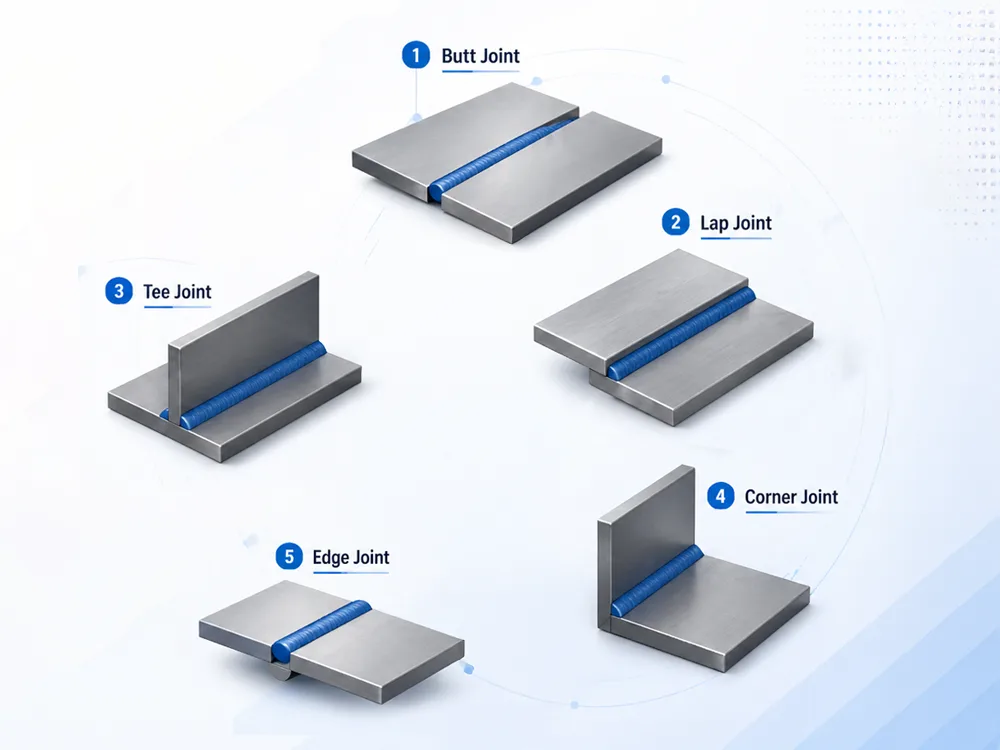
For example, regarding the selection of common welded joints, we will provide reasonable suggestions in advance:
- Butt Joint: Two parts are joined by aligning their ends on the same plane. This is the most common welding method, suitable for parts of the same thickness. It is often used for splicing steel plates and aluminum plates or connecting pipes.
- Lap Joint: Two parts partially overlap, and their structural centers of gravity are not on the same plane. It is often used for spot welding.
- Tee Joint: The end face of one component is joined to the surface of another, forming a “T” configuration. This type of joint is suitable for vertical connections that require load-bearing or tensile strength. And it is commonly used in ship hulls and reinforcing plates.
- Corner Joint: The end faces of two components are joined at a 90-degree angle. It is often used for edge welding of box and frame structures to achieve overall connection and sealing.
- Edge Joint: Two parts are joined by welding their end faces to achieve a connection.
Of course, like CNC machining and sheet metal fabrication, our welding services involve testing the raw materials of the parts at the beginning of the project. We then select the most appropriate welding technique based on the material’s specific characteristics. After welding is complete, we will also inspect the weld and perform treatments, such as grinding weld scars and spraying oil. Therefore, AIXI can realize the complete process from raw materials to surface treatment.
We have a reliable and experienced welding team capable of taking full responsibility for your project.
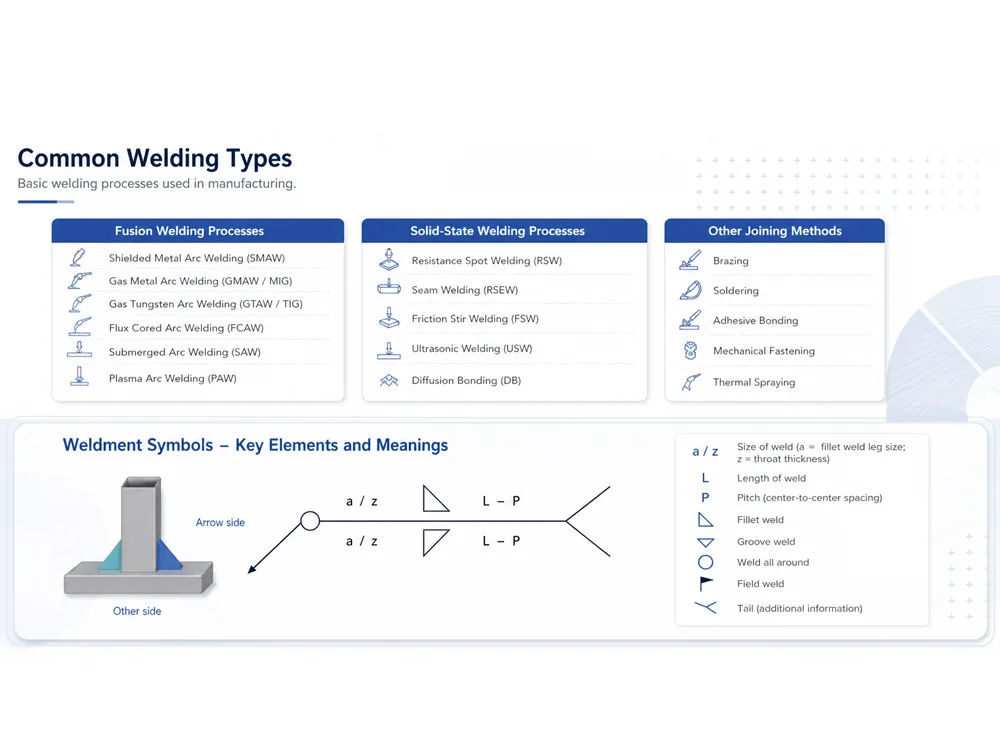
Before the parts are delivered, we will issue a corresponding inspection report based on the welding symbols in the drawings. Use welding markings in a standardized and accurate manner to reduce errors in the welding process. In mechanical manufacturing, technical drawings are important for determining the final product’s quality and appearance.
Applications of Metal Welding Fabrication Services
Modern industrial development is virtually inseparable from welding processes, and AIXI’s welding services cover a wide range of key sectors:

- Automotive and Agricultural Machinery: Primarily applied to structural frameworks, machinery chassis, and high-strength components.
- New Energy and Power Industries: Used for the welding of various components and sheet metal enclosures.
- Marine and Construction Sectors: Applied to the welding of relevant structural elements and specific sub-assemblies.
- Medical Devices, Lighting Fixtures, as well as the welding of main structural frames for motorcycles and bicycles.
Whether for prototype manufacturing or high-volume welding production, AIXI can achieve a complete delivery.
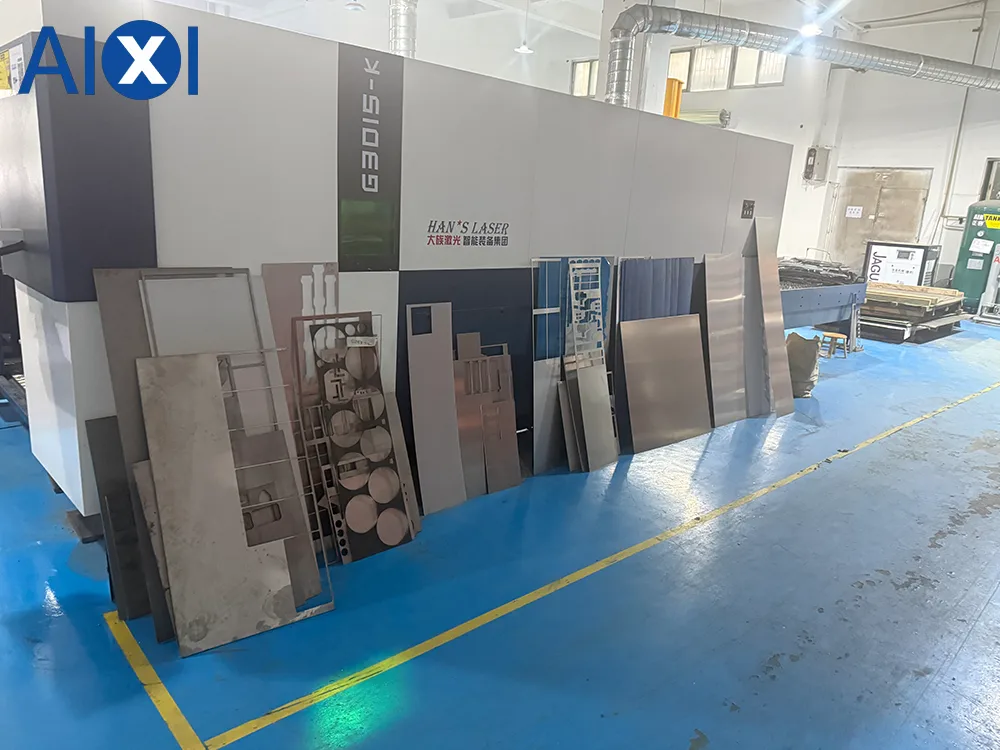
Welding Sheet Metal Parts Display


FAQs of AIXI Sheet Metal Welding Services
Can we send you other components to assemble with the welded parts?
Of course! If it’s a very simple assembly, we’d be happy to do it for you free of charge.
Can different materials be welded together?
Yes, this is called “dissimilar material welding” in industry, and it’s a common and important type of welding. It combines the advantages of different materials. For example, welding low-carbon steel and alloy steel, or stainless steel and carbon steel, is relatively easy. However, welding copper to steel or to aluminum is more difficult. If welding between aluminum and steel is required, this is almost impossible.
How much does it cost to weld something together?
For prototype welding of less than 300 mm in length, the sample fee is typically $80. For high-volume part welding, the cost typically ranges from $0.50 to $100 per piece, depending on the product’s dimensions.
What is TIG welding?
You can find the answer to this question on this page.
What is MIG Welding?
You can find the answer to this question on this page.
What is MAG welding?
You can find the answer to this question on this page.
What is the difference between MIG and TIG welding?
You can find the answer to this question on this page.
What is resistance welding?
You can find the answer to this question on this page.