
 Deutsch
 Français
 日本語
 Español
 Italiano
 Русский
 繁體中文
 한국어

Chrome plating is a popular finishing technique used in different industries. The major advantage of this process is that it imparts unique properties to different metal pieces. These include greater strength, improved corrosion resistance, and enhanced visual appeal. Therefore, having a guide on chrome plating becomes crucial in modern manufacturing.
As you know, different materials are used in the manufacturing of various products. Not all these materials are strong. So they require some additional treatments to get favorable properties. Among these treatments, chrome plating is of utmost value. In this article, I will discuss everything about chrome plating. So, let’s get started.
What is Chrome Plating?

Chrome plating is unique in that it involves applying a thin coat of chromium over a base product. This process is done in the presence of an electric current. This chromium coating protects the product from environmental elements. Additionally, products with chromium plating look more attractive. This coating is applied under the current, which is why it is also called electroplating with chromium.
It is worth noting that chromium is not a new material. It has been in use since the 1800s. However, chrome plating is a relatively newer technique. Scientists have been experimenting with electroplating techniques using chromium since the 1900s. However, the early efforts proved ineffective. In the 1920s, they finally succeeded in electroplating chromium.
That’s where chrome plating came into existence. Since then, this chrome plating has undergone evolution, but its primary role remains the same. Chromium is deposited on the object via an electrochemical process. Before applying the coating, the object is first carefully cleaned. After that, a coating of nickel or copper is applied to the object’s surface.
This prepares the surface for the premium chromium coating. Pre-treatments ensure that chromium layers adhere perfectly to the object. Chrome plating consists of applying both thin and thick coatings. The thicker chromium coatings offer better strength. On the other hand, thin chromium coatings add visual appeal, giving the product a more decorative feel.
Chromium coating protects the base material from exposure to oxygen or moisture. As a result, the base remains protected even under harsh conditions. You’ll see chrome plating being used for CNC-machined parts. The presence of this coating gives these parts an aesthetic appearance and corrosion resistance.
Step-by-Step Chrome Plating Process
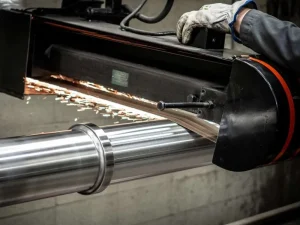
Before we discuss, let me explain how this chrome plating works.
First of all, an electrolyte is prepared consisting of Chromic acid (CrO₃). The part to be coated is dipped in this solution. Generally, the lead piece is used as the anode, with the product to be coated (the cathode) dipped in it. The electric current is then passed through the solution consisting of chromic acid.
Due to the current, the chromium ions in the solution begin to move towards the cathode (the negative terminal). These chromium ions deposit on the surface parts where the coating is being applied. In this way, all the chromium deposits are used to make chromium coating on the objects. That was a quick overview of how chrome plating works.
Below are the exact steps involved in this process. Let’s discuss each step involved in chromium plating to better understand it.
Step 1: Surface Cleaning & Polishing
Surface cleaning is a very important step in chrome plating. The reason is that if the substrate surface is not cleaned, the chromium coating may not adhere well. If there is any grease or any other contaminants, they must be removed. Additionally, the parts sometimes have small imperfections.
These faults are not prominent and can only be seen at the microscopic level. Therefore, polishing the substrate becomes crucial as it removes these minor imperfections. Remember, parts with imperfections won’t hold the chromium plating for long. You’ll see new coatings peel off over time due to surface imperfections. I highly recommend polishing the substrate before chrome plating.
Step 2: Pre-Treatment & Activation Bath
There are some materials where applying a chromium coating is not ideal. The reason is that this coating will not adhere to these materials due to insufficient bonding. These include aluminum, stainless steel, zinc, and the list goes on. That’s why you should add a layer of nickel or copper on the cleaned parts.
These thin layers of nickel or copper prepare the surface for strong bonding with chromium. Remember, thin layers of intermediate metals also fill the microscopic imperfections. Many prefer nickel coating before chrome plating. Why? That’s because this nickel layer offers dual benefits.
It imparts corrosion resistance to parts and makes them more suitable for a chromium coating. After this thin coating, the parts are then subjected to an activation bath. In this process, the workpiece is exposed to or dipped in a dilute acid, such as H₂SO₄. This acid bath ensures the piece’s surface becomes slightly rough, ready to receive a chromium coating.
Step 3: Chrome Plating Bath & Electroplating Process
As I said above, the electrolyte or solution consists of Chromic acid (CrO₃). The parts or objects being coated are dipped in this solution. This object or parts in this process act as the cathode. This means it has a negative charge. Current is passed through this solution as part of the electroplating process.
When current passes, the positively charged chromium ion is released from chromic acid. These charges move to the negative electrode (cathode). All these positive charges are deposited on the cathode (the parts on which the coating is being applied). As a result, the object gets coated. Remember, manufacturers use lead as an anode in this electroplating process.
4- Rinsing & Removal of Residue
Once you remove the workpiece from the electrolyte or solution, it will have some chemical residue on it. These are chemical or acidic solution leftovers that must be removed. If these leftover chemicals remain on the surface, they would affect the quality of chromium layers. First, they react with the chromium coating, weakening it.
Additionally, they can also cause discoloration or fading of the coating over time. Therefore, you should immediately rinse the workpiece after chrome plating. This rinsing will wash away all the chemicals from the product’s surface. I also recommend drying the piece after rinsing. This drying will further remove the materials if left by any chance.
Types of Chrome Plating
Chrome plating helps achieve different surface finishes on the products. This technique has different types, each giving the object a unique look and set of properties. Below are some popular types of chrome plating:
1- Hard Chrome Plating
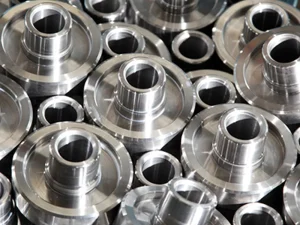
Hard chrome plating involves depositing a high concentration of chromium ions onto the surface of the product. As a result, the product gets a thicker chromium coating. This thicker coating does not look appealing, but it is harder and stronger. This coating remains intact even in harsh conditions and has exceptional wear resistance.
Hard chrome plating is commonly used at the industrial scale. You’ll see this type of coating on different engine parts. As I said above, this hard chrome plating involves applying a thicker chromium coating. So this coat uses more materials (chromium ions), which can increase the cost.
2- Decorative Chrome Plating
As the name suggests, decorative chrome plating provides a thin, decorative chrome coating. It is generally shiny and reflective, making the product stand out aesthetically. When it comes to strength, decorative chrome plating is one of the best options. Why? The reason is that this involves applying a thin chromium coating.
Since it is thin, it can be affected and deteriorated in harsh conditions. However, it still offers moderate protection when used carefully. Interestingly, the decorative chrome coating feels very smooth to the touch. So it repels dust and particles, and it’s very easy to clean. Decorative chrome plating is relatively expensive, which can be a drawback.
3- Black Chrome Plating
Black chrome plating is unique for its physical appearance. As you know, chrome plating generally appears either silver or brighter and shinier. However, the black chrome coating appears darker and glossier. This unique color is achieved by adding additives during electroplating. Remember, this coating is added in the same way, i.e., by passing current through the electrolyte. Additionally, the black chrome coating is both strong and effective at resisting corrosion.
4- Satin Chrome Plating
Satin chrome plating is different from black chrome plating. It is silver but has no shine and feels more textured when you touch it. The coating’s textured surface scatters light rather than reflecting it. As a result, this chrome plating does not shine.
Note that the pretreatment and intermediate metal coating for this method differ slightly. Manufacturers deliberately make the intermediate metal coating a bit rough. This roughness then gives a more textured feel after satin chrome plating. The wear and corrosion resistance of chrome plating is optimal, if not ideal.
5- Micro-Cracked & Micro-Porous Chrome Plating
Micro-cracked and micro-porous chrome plating is widely used on parts that are subject to rough use. In micro-cracked chrome plating, manufacturers leave some cracks on the coating. On the other hand, micro-porous chrome plating involves applying a porous coating.
Both cracks and pores are intentionally left on the coating surface during the electroplating process. These cracks and pores are used to hold lubricants. These lubricants make the coating extremely resistant to corrosion and wear. Remember, there is a nickel coating beneath these pores or cracks. This nickel further protects the base products.
6- Composite Chrome Plating
Composite chrome plating is one of the most premium types of chrome plating. In fact, parts with composite chrome plating last for decades without getting corroded. These chrome platings involve the precise distribution of particles on the chromium coating. These particles can be of ceramics, silicon carbides, alumina, or polymers.
They feel like they are sprayed onto the coating surface, making the coatings very durable. This type of chrome plating makes the parts or base products exceptionally corrosion-resistant. However, the cost of these additional particles can be a drawback. As a result, composite chrome plating is typically much more expensive than other types.
Advantages of Chrome Plating
The trend of chrome plating has become very popular. This is because of the key advantages of chrome plating you’ll get in the section below.
1- Corrosion Resistance
As I mentioned above, chrome plating involves applying a chromium coating on the substrate. This chromium is reactive and makes chromium oxide when it comes in contact with oxygen. Chromium oxide layers form on the surface of materials and protect them from corrosion. This means oxygen or moisture does not reach the base products due to the additional chromium oxide. In this way, chrome plating plays a key role in protecting the base material from corroding over time.
2- Wear Resistance & Durability
Chrome plating adds chromium coating, which is very hard and strong. Additionally, it can withstand shocks and impacts, resulting in improved wear resistance. Even after years of use, this coating remains in good shape. This indicates greater durability when parts are subjected to stress or used harshly. Above all, chromium layers made when chromium reacts with oxygen are self-healing. This means if scratches occur, these layers can heal and keep protecting the base materials for years to come.
3- Attractive & Shiny Finish
One thing that many love about chrome plating is that it gives a highly reflective surface on the substrate. This coating reflects the lights, giving a shinier appearance. This shiny visual appeal makes the product look more modern. Additionally, you get versatility, as chrome plating comes in different types. You use satin or black chrome plating to get a different visual appeal. The satin finish provides a textured surface on products, while black plating ensures a glossy, black appearance.
4- Easy Cleaning & Maintenance
The chromium coating applied to the substrate is generally very smooth and polished. The smoothness of the chromium coating is very useful. How? That’s because it makes cleaning and overall maintenance of parts a lot easier. Smooth and polished surfaces typically repel dust and other contaminants. Because they’re easy to clean, you’ll often see kitchen products with chrome plating.
5- Low Friction Surface & Heat Resistance
As I said, the chromium coating is very smooth, with no roughness. This smooth surface reduces friction between two parts that are in contact, thanks to the chromium coating. This coating is ideal for various engines and assembly parts. In addition to lower friction, parts with a chromium coating offer excellent heat resistance. The reason is that a chromium coating adds strength to parts. It also improves their performance in high-temperature conditions.
6- Restoration of Worn Parts
Parts, regardless of their materials, wear out over time. Right? However, chrome plating can hide their imperfections and help in their restoration. Manufacturers generally apply chrome plating to their work parts. The chromium coating gives worn parts a shiny appearance and hides their imperfections. Apart from this, the chromium coating also gives better strength and durability to the parts. This is one of the most budget-friendly ways to restore old parts.
7- Thickness Customization & Longer Service Life
Chrome plating is very handy if you need different thickness levels. With this technique, you can get both a thicker and a thinner chromium coating. Thicker coatings are preferred when strength and durability are required. They are ideal for their longer service life, but lack visual appeal. Conversely, thin chrome plating is not very strong, but it is visually appealing. Manufacturers typically use a thin chromium coating for decorative parts and products. You can even get custom thicknesses with controlled chrome plating.
How Much Does Chrome Plating Cost?
Unfortunately, there is no fixed cost estimate for chrome plating. The reason is that the cost of this process depends on many factors. However, you should expect to pay between $50 and $1,500, depending on the size of the object. The bigger the product, the more it will cost to plate, and vice versa.
Chrome plating prices vary widely due to several factors. These include:
- Size of product
- Need for Pretreatments
- Thickness of chromium coating
- Type of chrome plating being applied
Generally, chrome plating costs are categorized into three sections. The cost for smaller products is lower, i.e., around $50 to $250. On the other hand, applying chromium coating to medium-sized products is slightly more costly. The cost range for medium products is $250 to $500. Lastly, chrome plating costs for larger products start at $500 and go up to $1,500.
Remember, if you’re going for hard chrome plating, the cost can be slightly higher. This is because this chrome plating involves applying thicker chromium layers. On the other hand, chrome plating, which applies a thin chromium coating, is more affordable. Simply put, the cost for this process can vary, and you can control it by considering different factors.
Frequently Asked Questions
How long does chrome plating take?
The time it takes to chrome plate depends on the size of the products being coated. On average, this process can be completed in one week if the object is medium-sized. For smaller products, chrome plating takes only one day and gets the job done.
How long does chrome plating last?
Chrome plating, if done correctly, can last for decades. The minimum you should expect is around 15 to 25 years. Chromium coating heals itself from scratches. This keeps the coating in good shape for years.
Is chrome plating very expensive?
Yes. Chrome plating is generally expensive, especially if you choose a premium type. Examples include hard chrome plating, composite chrome plating, and so on. However, this coating lasts for years, and its long-term performance makes it worth the cost.
Can you remove chrome plating?
Yes, chrome plating can be removed if needed. Various methods are used in this removal process. These include chemical stripping, mechanical grinding, or electrochemical processes. However, these removal processes must be done by a professional for the best results.
Conclusion
Let’s conclude – chrome plating is a very practical method. It not only extends the lifespan of substrates but also enhances visual appeal. All the products with chrome plating look beautiful due to their shine. In the past, chrome plating was not very popular.
However, the benefits it gives have made this process a must for different products. If you’re confused about its selection, I recommend you give it a try. Although it is expensive, it proves its worth by providing long-term protection for products. In this article, I have discussed everything about chrome plating.