
 Deutsch
 Français
 日本語
 Español
 Italiano
 Русский
 繁體中文
 한국어

Steel is one of the most widely used materials in manufacturing. Its lightweight, durability, and reliability make it a go-to option for making different products. In fact, CNC machining of steel is also very popular. However, different types of steel vary in their properties. Some steel types are budget-friendly but have compromised performance.
In contrast, some types offer excellent performance. Their corrosion resistance and performance in harsh conditions are top-class. However, they cost more, so they’re used only when high part durability is required. In this article, I will cover the most popular types of steel. After reading, you’ll be able to decide which type of steel is best for you. Let’s begin.
What is Steel?
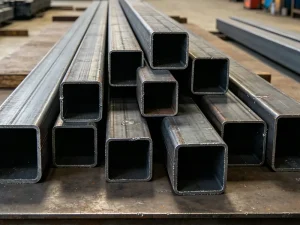
Before discussing steel types, I will first help you understand the basics of steel. This way, you won’t be confused about the details of different steel types and grades.
Steel is an alloy composed of various alloying elements. Among these, carbon and iron are two fundamental components. In fact, iron makes up 98% of steel. Carbon makes up around 0.02% – 2.1% of steel. Many other alloying elements, such as chromium, manganese, nickel, and silicon, are also used. The properties of different steel types vary.
Steel has been in use for several centuries. However, it was uncommon in the past due to the difficult production process. However, the Bessemer process brought a revolution and helped produce steel at a lower cost. That’s when steel became more common and practical. It offers flexibility and excellent, versatile properties depending on its composition.
For example, steel with a higher carbon content will be harder and more brittle. Machining this type of steel is a bit more challenging. On the other hand, steel with a lower carbon proportion will be softer and easier to machine. As I said above, steel is an alloy composed of various alloying elements. These elements directly influence the properties of this material.
Therefore, it is crucial to choose steel after carefully analyzing its composition. For example, if you need corrosion resistance, you should choose steel with higher chromium content. Similarly, for greater toughness, prefer steel with nickel or manganese. One standout use of steel is in construction. That’s because steel has excellent stress-bearing capabilities.
Popular Types of Steel
As discussed above, steel is divided into different types. This division is based on variations in chemical composition. As a result, these types of steel have unique properties. Some types offer better strength and toughness, while others excel in corrosion resistance. Not only that, but these types differ in terms of their ease of CNC machining as well.
In the section below, I will discuss various types of steel and their details.
1- Carbon Steel
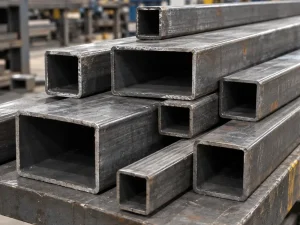
Carbon steel is a type consisting of around 98% iron. It contains about 0.05% to 2.1% carbon, which determines its properties. This steel type contains no significant amounts of other alloying elements, such as chromium. As a result, carbon steel is not particularly corrosion-resistant or durable.
Because it lacks corrosion resistance, I don’t recommend using this steel type in moist conditions. Additionally, carbon steel has three further types. These types differ from each other in their carbon proportions. Below is the table showing these types with their carbon content:
| Type of Carbon Steel | Carbon Proportion |
| Low Carbon Steel | 0.05% – 0.25% Carbon |
| Medium Carbon Steel | 0.25% – 0.60% Carbon |
| High Carbon Steel | 0.60% – 2.1% Carbon |
Low-carbon steel is also known as mild steel. Since it has low carbon content, it is soft and easy to weld and machine. Manufacturers also prefer it for CNC machining. Medium-carbon steel has moderate hardness and is used to make railway tracks. This steel type offers an excellent balance of strength, hardness, and ductility. High-carbon steel is highly rigid and hard because of its high carbon content. Additionally, CNC machining this high-carbon steel is very challenging. Why? That’s because of its high strength and hardness.
2- Alloy Steel
Alloy steel is a superior type of carbon steel. Why? Alloy steel has a relatively low carbon content but contains additional alloying elements. These elements give these steels distinct useful properties. It has around 1% carbon content, which is neither too high nor too low. As a result, this alloy steel has decent hardness.
Alloy elements present in these steel types include chromium, nickel, manganese, and silicon. The proportion of each of these alloy elements defines the properties of this steel. For example, alloy steel with higher chromium content will be excellent for corrosion resistance. Higher nickel content improves toughness and strength.
As this steel type contains a range of different elements, its overall performance is excellent. As a result, it is considered a reliable option for producing various pipes. Its excellent strength and durability also make it stand out in the automotive industry. However, alloy steel costs more than carbon steel, which can be a drawback.
3- Tool Steel
This is one of the strongest types of steel used to make various tools. Like other steel types, it consists of iron and carbon. Iron makes up 97-98% of this steel. However, it also has some heavy-duty alloy elements. These include molybdenum, vanadium, tungsten, and others. Such alloying elements improve strength, making it ideal for making various tools.
It has a decent amount of Tungsten and molybdenum. Combining these two elements makes tool steel hard. In fact, this type of steel retains its hardness even at very high temperatures. Additionally, vanadium further increases the value of this steel type. How? Vanadium makes this steel wear-resistant by altering its grain structure.
Manufacturers generally use tool steel when making parts that are subject to repeated stress. This material can easily withstand the harshest loads. You’ll see this type of steel in many tools. Examples include drills, blades, dies, and various machinery parts. However, its corrosion resistance is not ideal, which can be a drawback.
Quick Highlight: CNC machining alloy steel is very difficult. If you do, CNC machines will use more power to cut. Additionally, cutting tools can wear out due to overheating. However, tool steel parts are very strong and durable. They can remain in good condition for a long time and withstand extreme loads and stress.
4- Stainless Steel
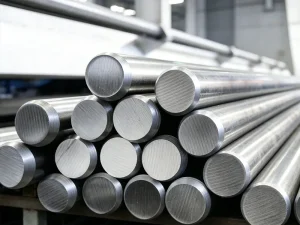
Stainless steel is one of the most commonly used steel types. This is because stainless steel offers balanced properties suited to different parts. It has moderate hardness, excellent strength, and toughness. Above all, this steel type is known for its corrosion resistance. You may wonder why stainless steel is corrosion-resistant. For this, you’ll have to first understand the chemical composition of stainless steel, which is as follows:
| Element | Percentage |
| Iron (Fe) | Major base metal |
| Chromium (Cr) | 10.5% – 30% |
| Nickel (Ni) | 0% – 20% |
| Carbon (C) | 0.03% – 1% |
| Molybdenum (Mo) | 0% – 7% |
| Manganese (Mn) | 0% – 2% |
As you can see, stainless steel has a chromium content of around 10.5 to 30%. The exact chromium content can vary across different grades of stainless steel. This chromium makes this steel type highly resistant to corrosion. How? Chromium is highly reactive, and it reacts with oxygen when stainless steel is exposed to moisture.
This reaction forms a chromium oxide layer. This layer acts as an additional coating present on the surface of stainless steel. This coating protects the stainless steel from further corrosion and is very durable. Even if this layer (shield) is damaged, it can heal itself, a significant advantage. This makes stainless steel highly resistant to corrosion, chemicals, and other corrosive agents.
The chromium content varies across different grades of stainless steel. Grades with higher chromium perform better against corrosion, and vice versa. Its nickel and manganese proportions make stainless steel tougher and more durable. You’ll see this stainless steel used in different marine parts. That’s because those parts require corrosion resistance, and stainless steel material is perfect.
5- Weathering Steel
This steel is an excellent option when you want parts to resist atmospheric corrosion. As you know, parts generally corrode when they are left exposed. However, parts made of weathering steel remain in good condition even when left exposed for months or years. This is because this steel contains different alloy elements, including copper. This copper forms a patina layer when exposed to moisture.
This patina layer is dense and protects the part from corrosion. Even in hot, cold, and rainy seasons, the parts won’t get rusty. You might mix up stainless steel with weathering steel, as both are corrosion-resistant. Stainless steel contains higher levels of chromium, which makes it corrosion-resistant. However, weathering steel is rust-resistant because of the patina layer formed by the copper. Additionally, this steel has very low chromium content (0.5%–1.5%)
Best Steel Types for CNC Machining
Different steel types behave differently when undergoing CNC machining. Why? They differ in strength and hardness. Remember, harder or stronger materials are more difficult to machine. When choosing the best steel type for CNC machining, consider two factors. These includes
- Material durability
- Ease of machining
A material that is easy to machine but not durable is not ideal. The reason is that its CNC-machined part may not last long and may be fragile. For example, low carbon steel is soft. Its CNC machining is easier and less time-consuming.
However, parts made from it would be less strong because of this steel type’s softness. On the other hand, alloy steel or tool steel is very robust. However, CNC machining of these steel types is challenging, which is a drawback. I consider medium carbon steel and stainless steel to be the best options for CNC machining. These two materials are relatively easier to machine.
Additionally, both of these steel types offer excellent strength and durability. They can last longer and withstand stress. That’s why parts made from these materials are very reliable. Stainless steel parts are also very resistant to corrosion. This is one of the key reasons that CNC machining of stainless steel is very popular.
Processing Methods for Different Types of Steel
Steel itself is raw and undergoes various processing steps. This process ensures fabrication and helps make different parts from these materials. Fabricators use a variety of processing methods. The choice of method depends on the steel type. Below is a list of popular processing methods used for different steel types:
- Forging
- Casting
- Annealing
- Hot rolling
- Tempering
- Cold rolling
- Heat treatment
- CNC Machining
The above-mentioned methods are generally used to make different parts from raw steel. However, some processes are considered for surface treatment. These include galvanizing, polishing, painting, passivation, and so on. These surface treatments improve the visual appearance of different parts. Additionally, processes such as galvanization also make steel parts resistant to corrosion.
How to Choose the Right Steel Type for Your Custom Project?
As discussed above, different types of steel exist. Each type is unique in performance, properties, and price. That’s why selection between these steel types can be confusing. This can be even harder if you don’t know steel or its properties. Below is the section that guides you in choosing the right type of steel for your project.
-
Consider Application
First things first – you should first analyze your applications. If you’re making corrosion-resistant products, I recommend stainless steel. If your applications require material with greater hardness, tool steel or alloy steel is a better option. Each application requires a different type of steel.
-
Load Requirements
For better load-bearing capability, choose alloy steel. This steel type has excellent strength and toughness. When stressed, it can absorb force easily. As a result, it remains in good condition even when facing extreme loads. For most structural parts, you should choose alloy steel.
-
Environmental Conditions
Are you looking for a material for parts intended for use in moist or harsh conditions? If so, stainless steel is the best choice. As mentioned above, stainless steel is highly corrosion-resistant because of its chromium content. Even against harsh chemicals, this steel type performs well and resists corrosion. Weathering steel is also a good option for outdoor parts.
-
Temperature Resistance
Considering temperature resistance is also crucial when choosing any steel type. If you plan to use parts at high temperatures, I recommend tool steel. Why? This steel type contains tungsten and molybdenum. These two alloying elements enable tool steel to maintain its hardness at high temperatures. Alloy steel also performs well in high-temperature conditions.
-
Maintenance Needs
Maintenance is another important consideration. If you want to avoid regular maintenance, choose stainless steel without thinking twice. Its excellent durability, corrosion resistance, and performance will impress you. You won’t have to worry about maintenance like painting or applying a coating. Additionally, its durability and longevity are also decent, which is a significant advantage.
-
Cost vs Durability
If you have a very tight budget, you can consider carbon steel. However, this type of steel is fragile, not long-lasting, and prone to rapid deterioration. That’s why I don’t recommend choosing carbon steel. If you want a balance between cost and durability, choose either stainless steel or alloy steel. Neither steel type is very expensive. However, they offer excellent performance and durability.
Conclusion
In conclusion, steel is one of the most popular materials because of its versatility and affordability. Its presence is dominant in almost every industry. These include the automobile, aerospace, construction, and more. However, steel is not a standalone material: instead, it is an alloy.
This means it contains various alloying elements that determine its properties. Steel is also divided into five primary categories. This categorization is based on the steel’s chemical composition and properties. In this article, I have discussed some common types of steel. You’ll also learn about the key factor you must consider when choosing any steel type.